

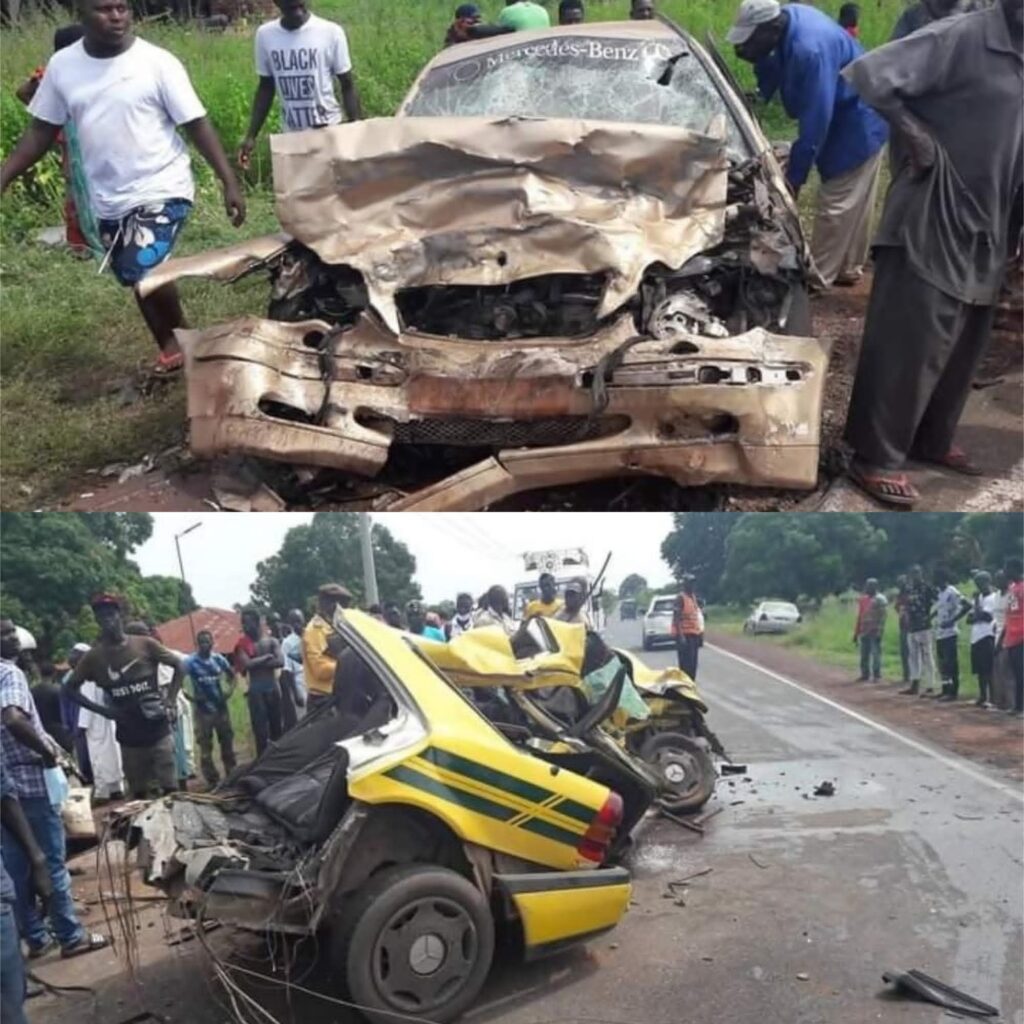
Road traffic accidents along the Transgambia Highway, particularly in the Foni Region, are increasing at an alarming rate and have become a major public safety and public health concern. Our hospitals continue to receive victims with severe injuries, permanent disabilities, and preventable deaths. Many of these incidents could have been avoided.
These accidents affect all road users — commercial vehicles, truck and bus drivers, motorcyclists, private motorists, young drivers, and pedestrians living along the highway.
Truck drivers
Over-speeding, fatigue from long-distance driving, and poorly maintained heavy-duty vehicles increase the risk of serious and often fatal crashes. The size and weight of trucks mean that any collision can have devastating consequences for other road users.
Bus drivers
Passenger buses carry many lives at once. Speeding, reckless overtaking, and driver fatigue on the Transgambia Highway place passengers and other road users in grave danger. Safe driving is a responsibility of every passenger on board.
Commercial drivers
Risky driving behaviours, including aggressive overtaking and disregard for traffic regulations, continue to contribute to multiple-casualty accidents on this route.
Motorcyclists
Motorcyclists remain among the most vulnerable road users. Failure to wear helmets, speeding, and poor visibility significantly increase the risk of severe injuries and death.
Private drivers
Distraction, speeding, and failure to obey road signs continue to be common causes of crashes. A moment of inattention can result in irreversible loss.
Youth and young drivers
Risk-taking behaviour, overconfidence, and speeding are costing young lives in the Foni Region. Discipline and caution are essential on this busy highway.
Common causes of road traffic accidents on the Transgambia Highway include:
Over-speeding
Careless and aggressive driving
Driving under the influence of alcohol or drugs
Distracted driving, especially mobile phone use
Driver fatigue
Poor vehicle maintenance
Disregard for traffic rules and road signs
Our message to all road users is clear:
Slow down, especially near communities and high-risk areas. Obey traffic regulations. Do not drink and drive. Avoid distractions. Rest when fatigued. Ensure vehicles and motorcycles are roadworthy. Respect pedestrians and other road users.
Every accident treated in our hospital is a reminder that prevention is better than cure. Lives can be saved if every road user takes responsibility.
Let us work together to make the Transgambia Highway safer for everyone. Drive responsibly. Save lives.
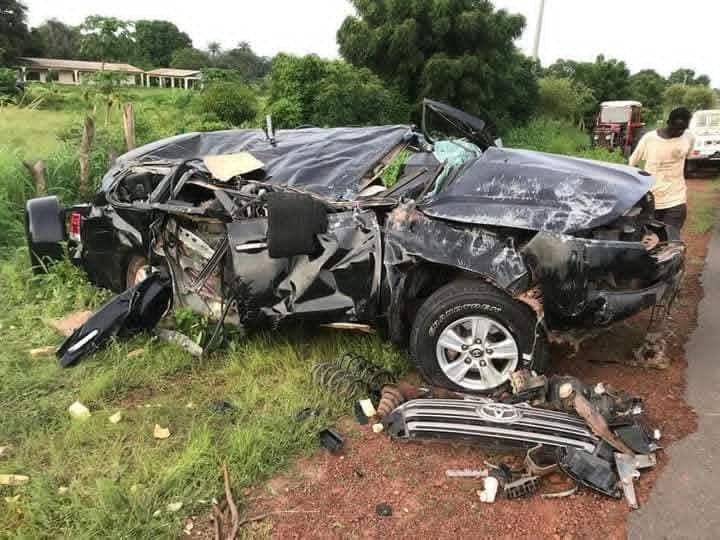
Safety & Victims Advocacy Foundation (SVAF) expresses deep concern over the rising number of road traffic accidents along the Trans-Gambia Highway, particularly in the Foni areas. These incidents, many of which are fatal, are largely attributed to excessive speeding and the continued absence of effective speed monitoring and traffic-calming mechanisms.
The Trans-Gambia Highway passes directly through numerous villages in Foni, exposing residents—especially children, the elderly, pedestrians, and roadside traders—to constant danger. The lack of speed control measures, such as speed bumps, has turned these communities into high-risk zones where preventable deaths and life-altering injuries continue to occur.
SVAF hereby reiterates its urgent call for the construction of speed bumps in the villages of Foni, just as has been done in Kombo, Kiang, and the Jarras. Speed bumps remain the most practical, proven, and immediately effective measure for controlling speed and saving lives in built-up community areas.
The same level of care, concern, and urgency that justified the installation of speed bumps in other parts of The Gambia must equally apply to Foni and all underserved regions. The lives of people in Foni are no less valuable, and their safety must not be treated as optional or secondary.
SVAF calls on the relevant authorities to act without delay. Road safety is not a privilege—it is a right. Preventable loss of life due to speeding is unacceptable, and simple, lifesaving interventions must be implemented before more families are forced to mourn loved ones.
Saving lives must come before convenience. Speed control saves lives.
Safety & Victims Advocacy Foundation (SVAF) expresses deep concern over the rising number of road traffic accidents along the Trans-Gambia Highway, particularly in the Foni areas. These incidents, many of which are fatal, are largely attributed to excessive speeding and the continued absence of effective speed monitoring and traffic-calming mechanisms.
The Trans-Gambia Highway passes directly through numerous villages in Foni, exposing residents—especially children, the elderly, pedestrians, and roadside traders—to constant danger. The lack of speed control measures, such as speed bumps, has turned these communities into high-risk zones where preventable deaths and life-altering injuries continue to occur.
SVAF hereby reiterates its urgent call for the construction of speed bumps in the villages of Foni, just as has been done in Kombo, Kiang, and the Jarras. Speed bumps remain the most practical, proven, and immediately effective measure for controlling speed and saving lives in built-up community areas.
The same level of care, concern, and urgency that justified the installation of speed bumps in other parts of The Gambia must equally apply to Foni and all underserved regions. The lives of people in Foni are no less valuable, and their safety must not be treated as optional or secondary.
SVAF calls on the relevant authorities to act without delay. Road safety is not a privilege—it is a right. Preventable loss of life due to speeding is unacceptable, and simple, lifesaving interventions must be implemented before more families are forced to mourn loved ones.
Saving lives must come before convenience. Speed control saves lives.